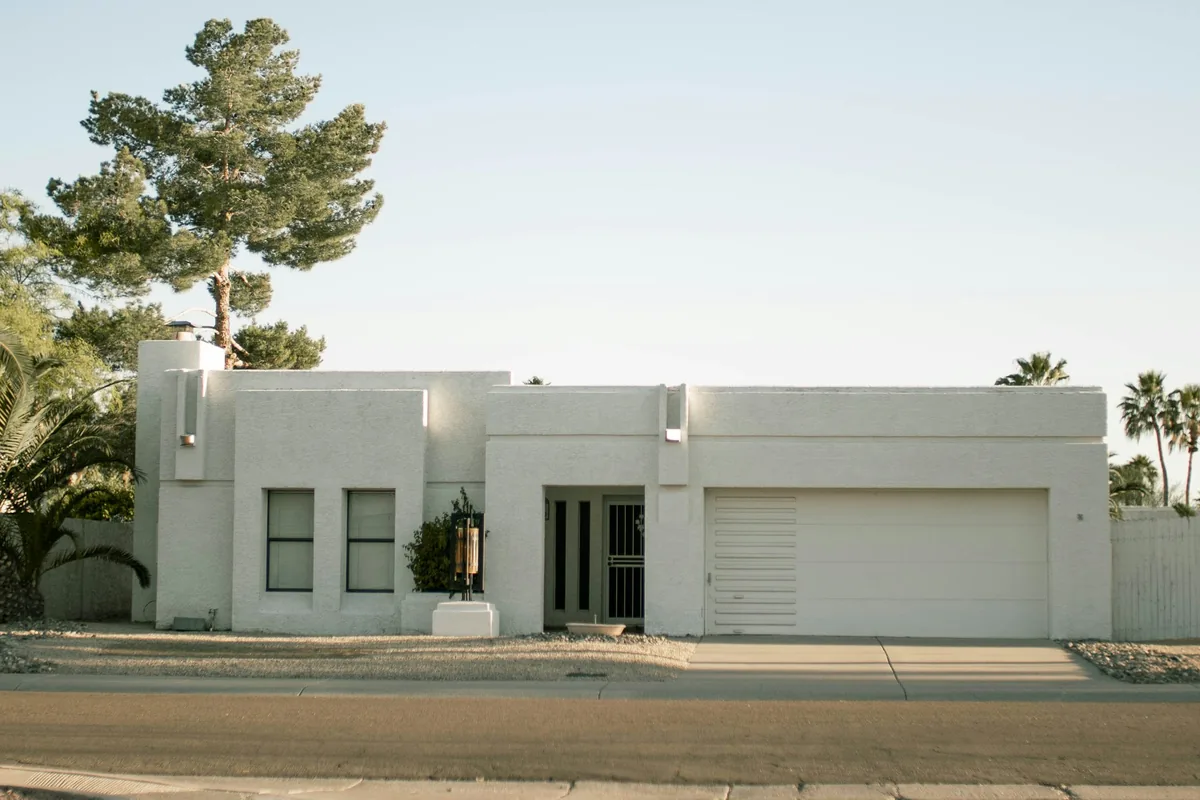
Stucco color coat in Gilbert AZ: what it is
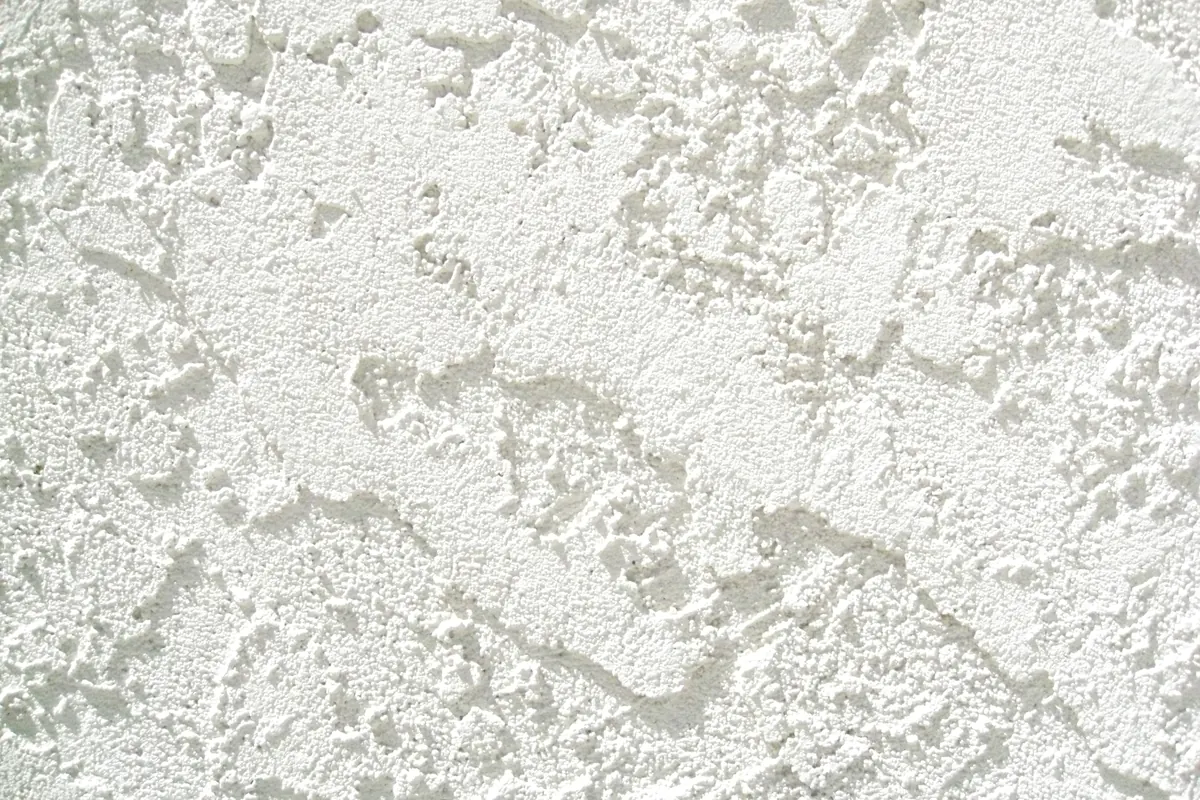
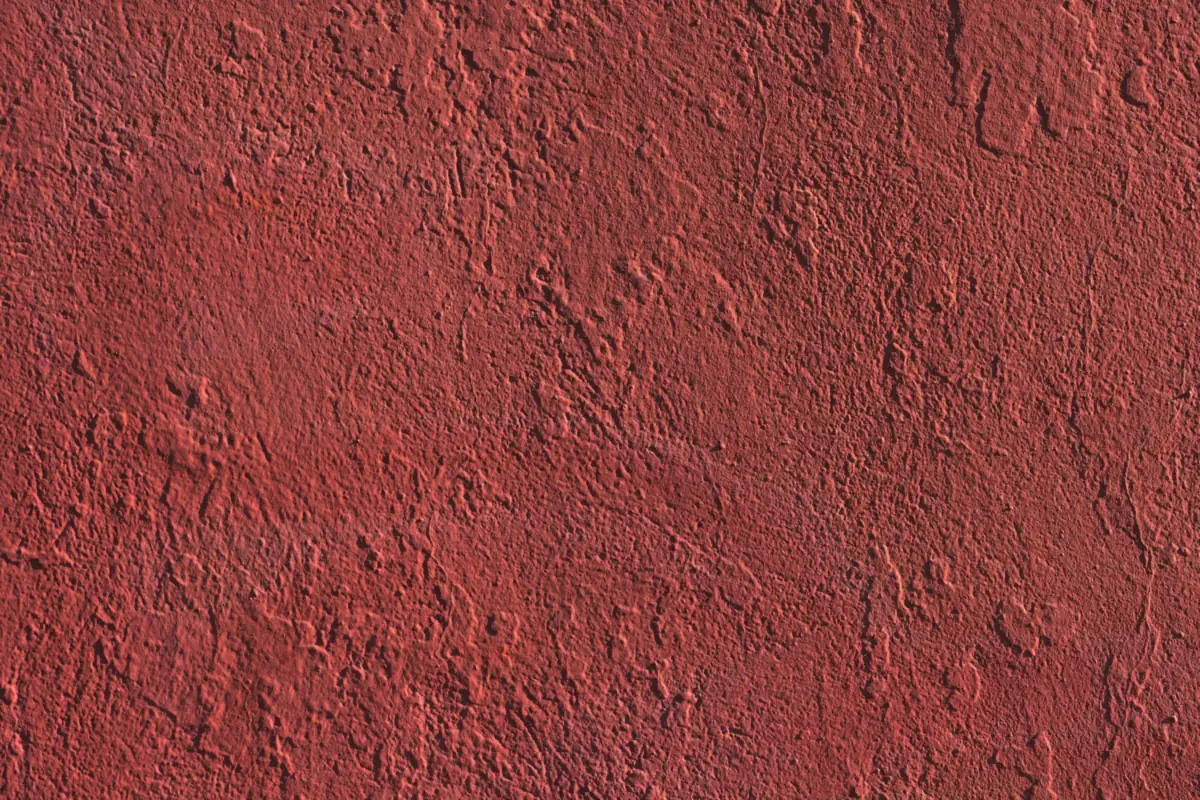
A stucco color coat is a new finish coat of cement stucco with the color mixed in, not painted on. LaHabra's data sheet describes its exterior color coat as portland cement and hydrated lime, "integrally colored with fade-resistant pigments", applied about 1/8 inch thick in float, light Spanish or dash textures, in 30 standard and 12 "lifestyle" colors. Because it's cement over cement, it bonds into the old finish instead of sitting on it as a film.
Color coat vs paint vs elastomeric
The right finish depends on one question first: has the wall been painted? After that it's about budget, texture and the cracks you want to hide.
| Finish | What it is | Price | Best for |
|---|---|---|---|
| Cement color coat | Integrally colored cement and lime finish, about 1/8 in | $4 to $5 per sq ft (recoat) | Bare (unpainted) stucco; renews texture and color together |
| Fog coat | Thin sprayed cement color wash | Less than a color coat | Evening out blotchy or faded color on unpainted stucco |
| Acrylic paint | Film-forming exterior paint | $1.50 to $4 per sq ft | Painted walls, or a color change on a budget |
| Elastomeric coating | Thick, flexible acrylic film | More than paint | Painted walls with many hairlines, once water problems are fixed |
| Acrylic (synthetic) finish | Textured acrylic finish coat over primer | Varies | Painted walls where you want texture back, foam trim, EIFS |
Swipe sideways to see every column.
Recoat and paint prices: HomeAdvisor data via Bob Vila (July 2023). Color coat thickness and the unpainted-surface rule: LaHabra Exterior Stucco Color Coat product data. Elastomeric and acrylic finish prices vary too widely by product to state.
Why elastomeric isn't always the answer
Elastomeric coatings are thick, stretchy acrylic films sold for masonry and stucco, and they bridge hairline cracks well. They're also a film: on a wall that's already taking water at a window or the base, a heavy coating keeps that water in. Fix the water damage and the cracksfirst, then choose the coating. For craze cracks, the WCC bulletin suggests refinishing or "a thick coat of breathable acrylic paint".
- Choose a cement color coat when the wall is bare, the texture is worn and you want the color in the stucco.
- Choose a fog coat when the texture is fine but the color is blotchy or faded.
- Choose paint when the wall is already painted or the color is changing on a budget.
- Choose elastomeric when a painted wall has many hairlines and no water problem.
Heat limits for a color coat in Gilbert
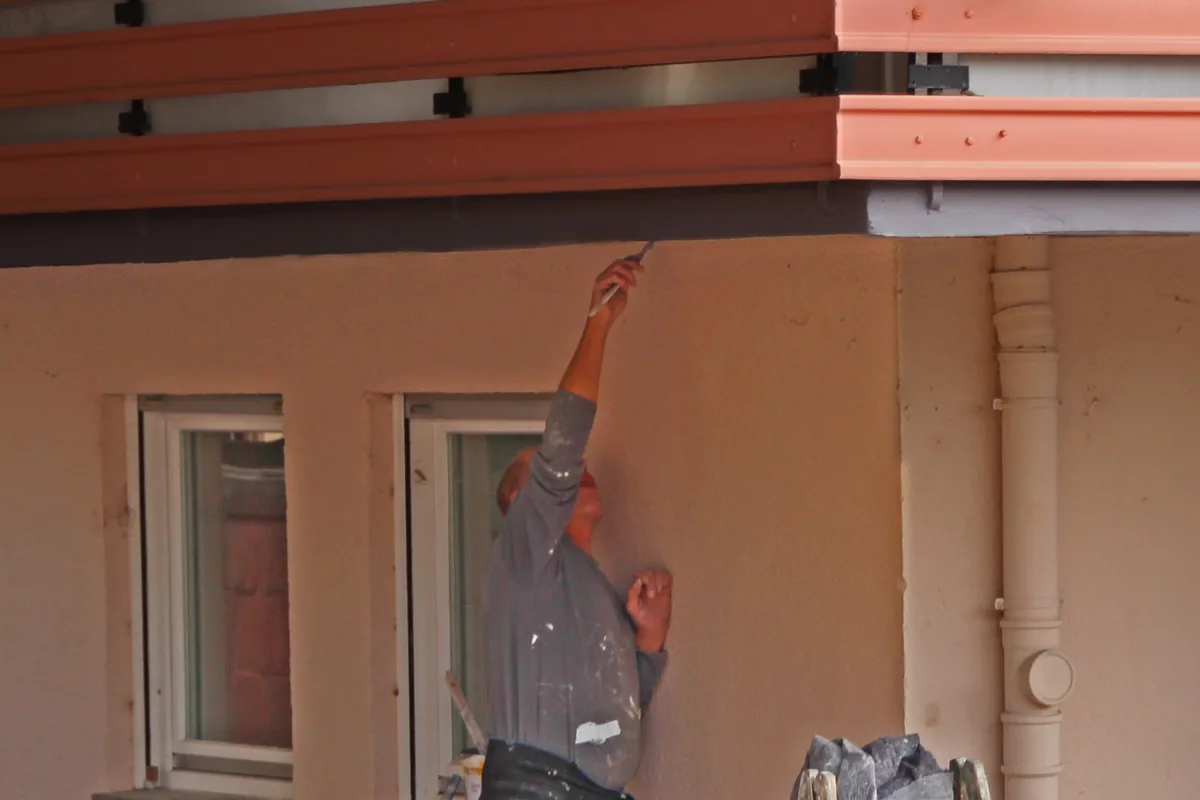
Color coats are the stucco job most affected by Gilbert summers. LaHabra sets the air and surface temperature at 40°F or higher, and no higher than 120°F during application and for 24 hours after, and warns that "application in direct sunlight in hot weather may adversely affect aesthetics". Phoenix Sky Harbor averages a July high of 106.5°F (NOAA), and a sunlit wall runs hotter. So summer color coats start at first light, follow the shade around the house and get misted; spring and fall are easier. The stucco lifespan guide has the month-by-month numbers.
Color varies; plan for it
The same data sheet says color variation "due to weather, job conditions, and method of application should be expected", recommends a cured sample for color approval, and names a fog coat as the fix for uneven color. That is why a color coat is applied wall by wall, corner to corner, rather than in patches.
HOA approval for a new stucco color
In Gilbert's master-planned communities a new body color, even the old one, often needs approval first. Power Ranch requires a Design Modification Application each time a home is painted and bars custom schemes; Morrison Ranch has no preset palette and asks for a professional color mock-up and photos of the neighbors' houses. The HOA stucco color guide quotes both documents.
How a color coat is applied
- 1Confirm the wall is unpainted
A cement color coat needs bare stucco. A water test or a scrape shows whether the wall was painted; a painted wall goes to paint or an acrylic finish instead.
- 2Get the color approved
In an HOA community the color comes from the approved scheme and the application goes in first; a sample on the actual wall settles the shade.
- 3Repair and clean
Cracks over a hairline are filled, patches built up flush, and dirt and loose finish washed off so the new coat bonds.
- 4Dampen and apply
The wall is dampened to even out its suction, then the color coat goes on about 1/8 inch thick in the house's texture, worked to a corner or joint.
- 5Mist and let it cure
In heat the coat is misted to slow drying. It sets the same day but cures for weeks, and its final color is judged only once it's dry.